

The Ancient Faith, Lived Here Today
The Byzantine Catholic Church has a history, liturgical tradition, and spiritual heritage that may be unfamiliar to many visitors. To understand Saint Ann's, it helps to understand where our Church comes from, what we believe, and how we worship.
Jesus Christ founded one Church and entrusted it to His apostles, with Saint Peter appointed to shepherd His flock. The Catholic Church is that same apostolic Church, governed today by the Pope, Peter’s successor, and the bishops in communion with him.
The Catholic Church is a communion of twenty-four distinct Churches, united in faith, sacraments, and apostolic authority. The largest is the Latin Church, commonly known as the Roman Catholic Church. Together, these Churches celebrate the Eucharist according to several ancient liturgical traditions, including the Roman and Byzantine rites.
Saint Ann's belongs to the Ruthenian Byzantine Catholic Church and celebrates the Divine Liturgy according to the Byzantine Rite. Eastern and Western Catholics profess the same faith, though their traditions of worship, theology, and spirituality have developed differently over the centuries. Pope John Paul II famously spoke of the Church breathing with “two lungs,” East and West.
The icons, incense, and chanting of the Divine Liturgy are more than matters of ceremony. Icons proclaim the reality of the Incarnation, incense recalls the prayers of the faithful rising before God, and sacred chant gives voice to the Church's prayers.
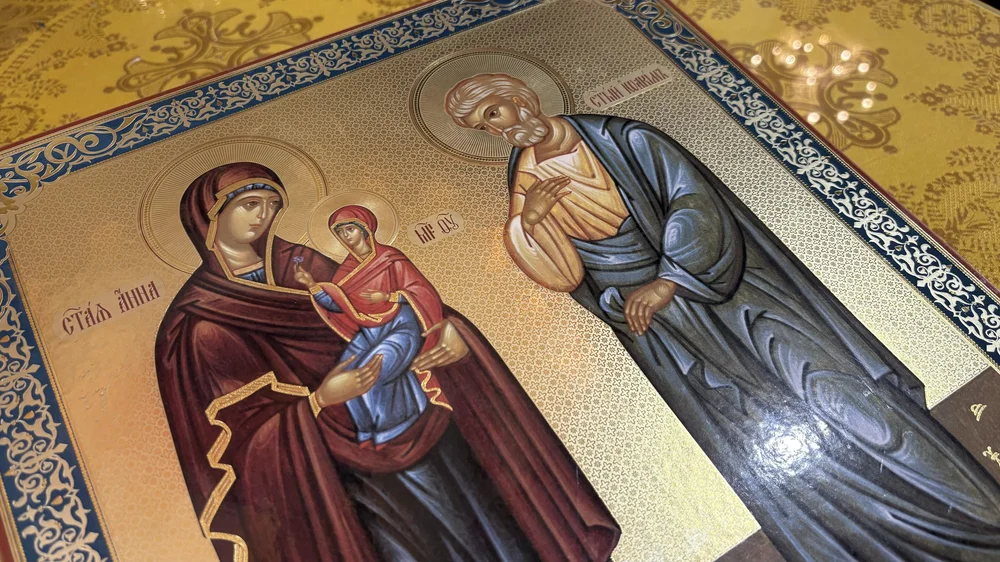
Iconography
Icons depict Christ, the Theotokos, and the saints and are found throughout our churches and homes. Their use is rooted in the Incarnation: the Son of God truly became man and could be seen. When we bow before or kiss an icon, we honor the person depicted, not the image itself.
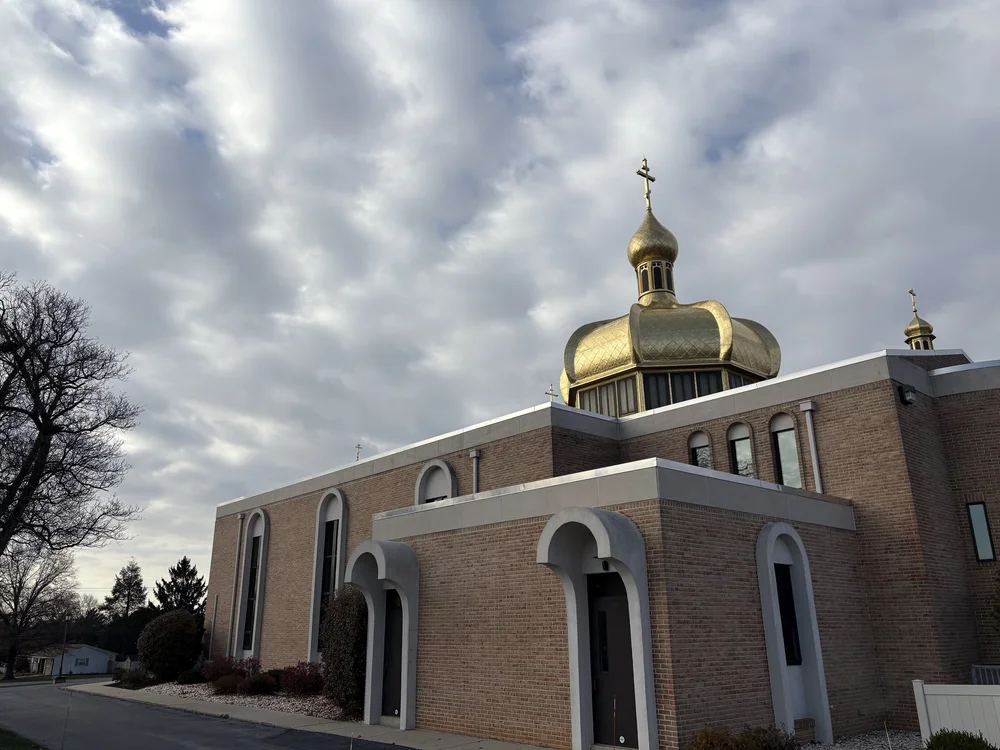
Architecture
Byzantine churches often feature icon covered walls crowned by a central dome. The dome symbolizes the heavens, while the faithful gather beneath it for the Divine Liturgy. This architecture reflects the belief that, in worship, the Church on earth participates in the heavenly liturgy.
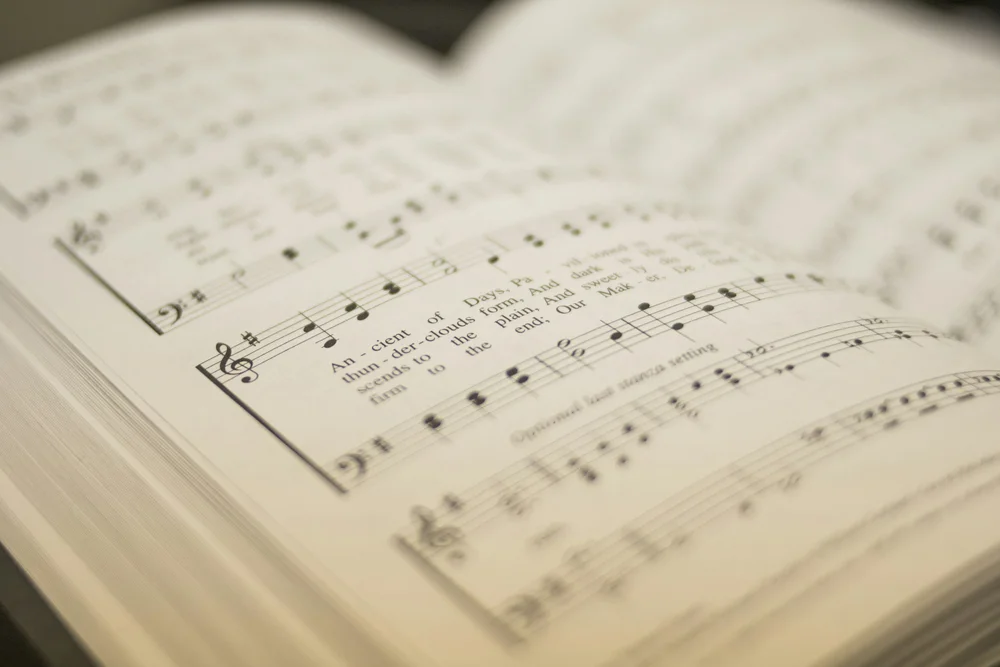
Chant
At Saint Ann's, most of the Divine Liturgy is sung rather than spoken. We use the traditional plainchant of the Ruthenian Church, known as prostopinije. The priest and deacon chant their parts of the service, while the cantor leads the congregation in singing the responses and hymns.
A faith handed down
Our Ruthenian Roots
The Ruthenian Catholic Church has its roots in Carpatho-Rus, a mountainous region of Central Europe now divided principally between Slovakia and Ukraine. Christianity spread through this region in the ninth century, influenced by the missionary work of Saints Cyril and Methodius, two brothers from Thessalonica who brought the Byzantine Christian tradition to the Slavic peoples.
Rather than requiring the Slavs to worship in Greek or Latin, Cyril and Methodius translated Scripture and liturgical texts into Slavonic. Their use of the language met considerable opposition, but Pope Hadrian II approved their Slavonic liturgical books during their visit to Rome. Church Slavonic would remain the language of worship among Carpatho-Rusyn Christians for centuries.
In 1646, sixty-three Byzantine-rite priests gathered at Uzhhorod and entered into communion with Rome. This event, known as the Union of Uzhhorod, marked the beginning of the Ruthenian Greek Catholic Church as we know it today. The Church retained its Byzantine liturgy, theology, and ecclesiastical traditions while recognizing the authority of the Pope. It is this Church to which Saint Ann's belongs.
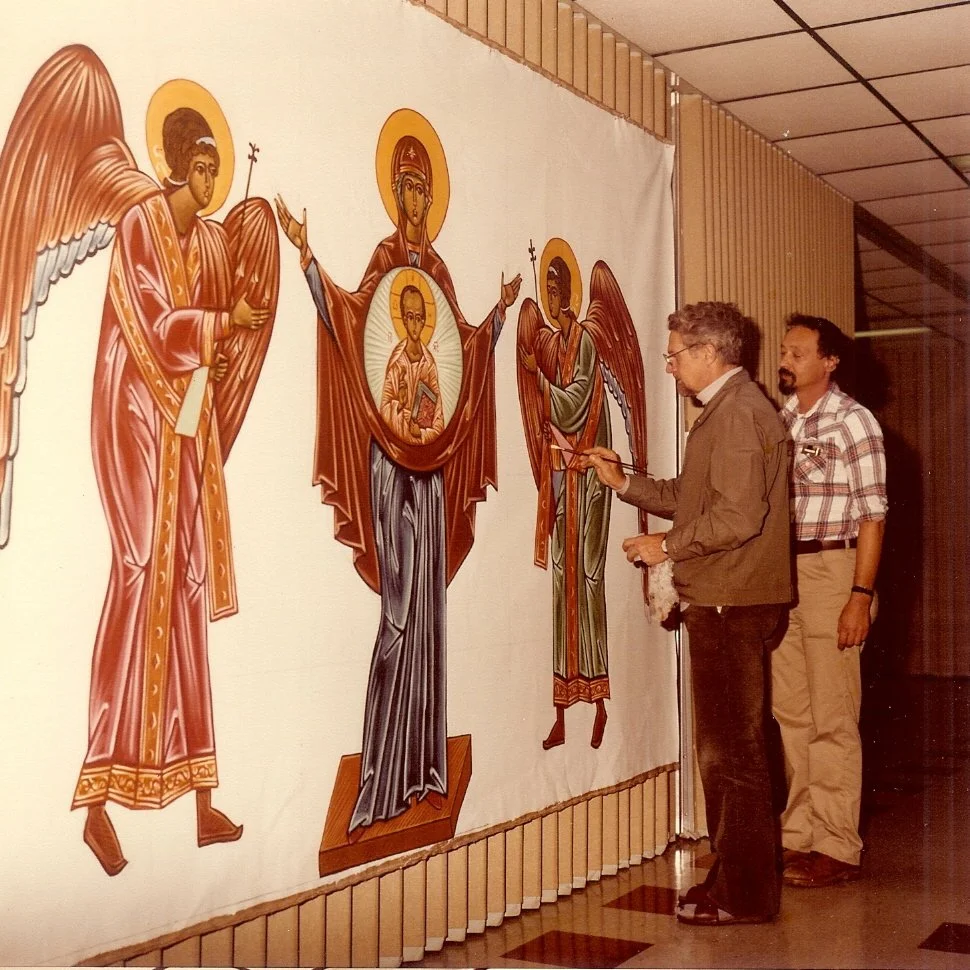
After World War II, a growing number of Byzantine Catholics settled in the Harrisburg area and began seeking a parish of their own. In November 1962, forty local Byzantine Catholics petitioned Bishop Nicholas T. Elko to establish a parish. St. Ann Byzantine Catholic Church was canonically established on February 6, 1963, and its first Divine Liturgy was celebrated on March 3 with sixty-six adults and children present. It was the first Byzantine Catholic church in the United States dedicated to St. Ann.
The parish’s first multipurpose church building was completed and dedicated in 1964. Father Michael Shear became pastor in 1966 and served for forty years, overseeing a period of substantial growth. The Eastern Christian Formation program began in 1970, construction of the present church began in 1975, and the first Divine Liturgy was celebrated there in October 1976. The completed church was solemnly blessed and dedicated on November 6, 1977.
Beginning in 1980, Father Egon Sendler, S.J., a world-renowned iconographer from France, led an iconography project at St. Ann’s that continued for more than eight years. In 1984, the church’s black walnut iconostasis was hand-carved by Father Sendler and Joseph Loya, with parishioners assisting in its construction, finishing, and gold leaf work. Today, more than fifty icons and 250 holy images are found throughout the church. St. Ann’s remains an active parish community in Harrisburg, with regular liturgical services, religious education, and parish events.
Visit Saint Ann
Come Pray With Us
Whether you are a lifelong Catholic, exploring Christianity, or simply curious about Byzantine worship, you are welcome to visit. Come for the Divine Liturgy, and introduce yourself afterward.